Chemotherapy Guidance in Faridabad
Get clear, patient-friendly guidance on radiation therapy, treatment planning, possible side effects, report review, second opinion and follow-up care with Dr. Vikash Kumar.
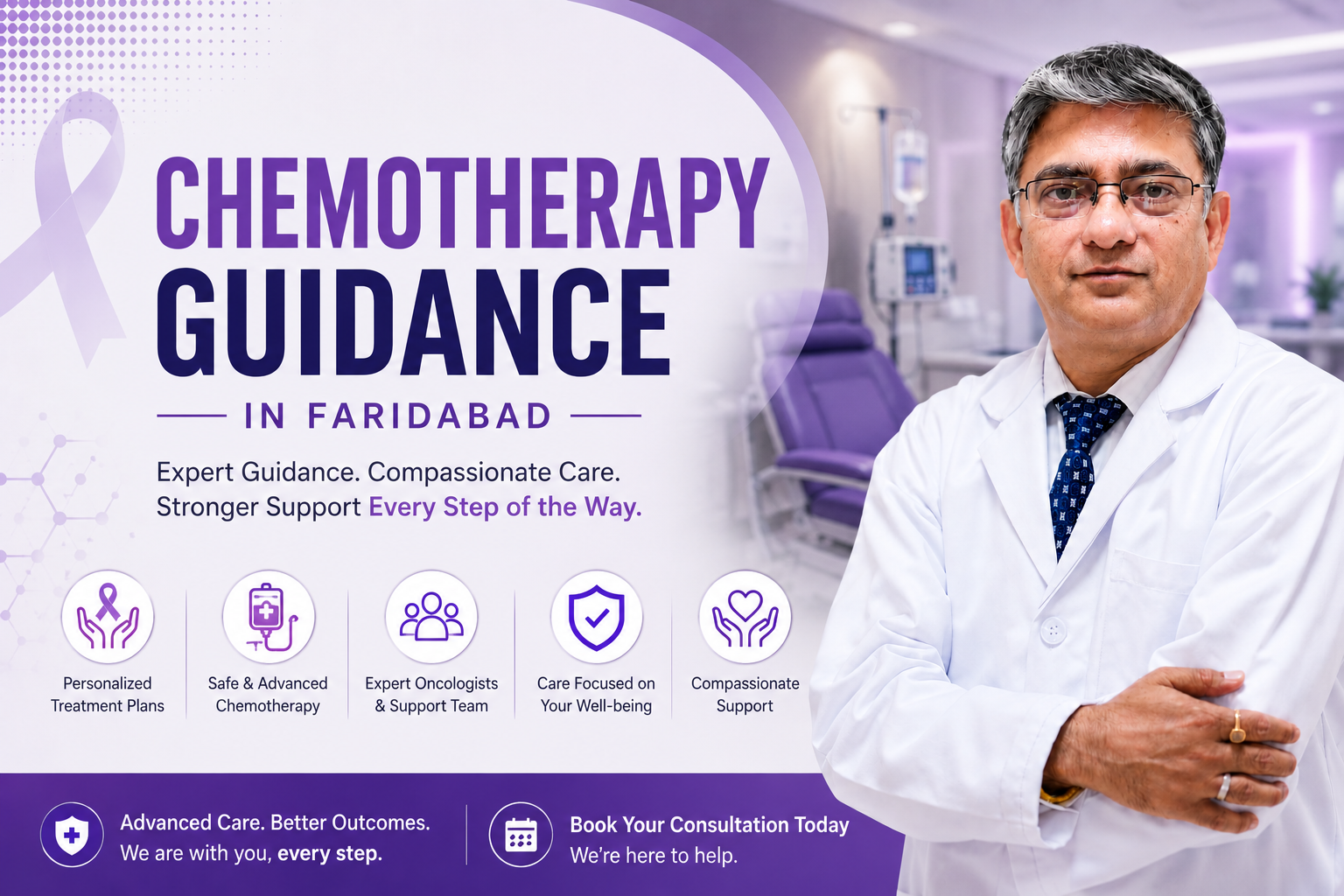
Chemotherapy is one of the most effective and commonly used treatments for cancer. It uses powerful medicines to destroy cancer cells, slow their growth, or prevent them from spreading to other parts of the body. Depending on the type and stage of cancer, chemotherapy may be used alone or in combination with surgery, radiation therapy, immunotherapy, or targeted treatments.
Patients seeking comprehensive cancer care often rely on Dr. Vikash Kumar, widely recognized as the best radiation oncologist in Faridabad, for expert guidance throughout their cancer journey. His patient-focused approach ensures that every individual understands their treatment options and receives personalized support at every stage.
What Is Chemotherapy?
Chemotherapy is a treatment that uses anti-cancer medicines to kill rapidly dividing cancer cells. It can help:
- Cure certain cancers completely.
- Reduce the size of tumors before surgery.
- Eliminate remaining cancer cells after surgery.
- Control cancer growth when a cure is not possible.
- Relieve symptoms and improve quality of life in advanced stages.
The exact treatment plan depends on the type of cancer, its stage, and the patient’s overall health.
When Is Chemotherapy Recommended?
Doctors may recommend chemotherapy in several situations:
Primary Treatment
For some cancers, chemotherapy serves as the main treatment and may achieve complete remission.
Neoadjuvant Chemotherapy
Chemotherapy may be given before surgery or radiation therapy to shrink tumors and make other treatments more effective.
Adjuvant Chemotherapy
After surgery, chemotherapy helps destroy microscopic cancer cells and lowers the risk of recurrence.
Palliative Chemotherapy
In advanced cancers, chemotherapy can help relieve symptoms, reduce pain, and improve overall comfort.
How Is Chemotherapy Administered?
Chemotherapy can be delivered in different ways, including:
- Intravenous (IV) infusions.
- Oral tablets or capsules.
- Injections.
- Wearable infusion pumps.
- Direct administration into specific body areas when required.
Treatment usually occurs in cycles. Each cycle consists of treatment days followed by rest periods that allow the body to recover before the next session.
Preparing for Chemotherapy
Before starting chemotherapy, doctors perform several assessments, including:
- Blood investigations.
- Kidney and liver function tests.
- Heart evaluations if necessary.
- Imaging studies.
- Nutritional assessments.
Patients are encouraged to discuss fertility preservation, dietary requirements, and possible side effects before beginning treatment. Proper preparation helps reduce anxiety and improves treatment adherence.
Common Side Effects of Chemotherapy
While chemotherapy is highly effective, it may also affect healthy cells that divide rapidly. Common side effects include:
Fatigue
Many patients experience tiredness during treatment and may require additional rest.
Nausea and Vomiting
Modern anti-nausea medications have significantly improved symptom management.
Hair Loss
Certain chemotherapy medicines can cause temporary hair loss, which generally reverses after treatment completion.
Lowered Immunity
Reduced white blood cell counts can increase infection risks, making regular monitoring essential.
Appetite Changes
Patients may experience changes in taste, appetite, or digestion during therapy. Nutritional support plays an important role in recovery.
The Importance of Multidisciplinary Cancer Care
Successful cancer treatment requires collaboration among specialists, including:
- Medical oncologists
- Radiation oncologists
- Surgical oncologists
- Pathologists
- Radiologists
- Nutritionists
- Rehabilitation experts
As the best radiation oncologist in Faridabad, Dr. Vikash Kumar works closely with multidisciplinary teams to ensure coordinated, evidence-based treatment plans tailored to each patient.
Radiation Therapy and Chemotherapy: Working Together
Chemotherapy and radiation therapy are often combined to improve treatment outcomes. This approach, known as chemoradiation, helps enhance the effectiveness of radiation by making cancer cells more sensitive to treatment.
Dr. Vikash Kumar, recognized as the best radiation oncologist in Faridabad, specializes in advanced radiation planning and works alongside oncology teams to deliver integrated cancer care with precision and compassion.
Living Well During Chemotherapy
Patients can support their recovery by:
- Eating balanced, nutritious meals.
- Staying hydrated.
- Getting adequate sleep.
- Engaging in light physical activity when possible.
- Reporting side effects promptly.
- Seeking emotional and psychological support.
With proper guidance and personalized care, many patients continue their daily activities successfully during treatment.
Early intervention, expert supervision, and comprehensive support remain essential components of successful cancer management. Patients across the region trust Dr. Vikash Kumar, the best radiation oncologist in Faridabad, for compassionate care and advanced treatment guidance throughout their cancer journey.
Frequently Asked Questions (FAQs)
1. What is chemotherapy used for?
Chemotherapy is used to destroy cancer cells, prevent recurrence, shrink tumors, and relieve cancer-related symptoms.
2. Is chemotherapy painful?
The treatment itself is generally not painful, although some side effects may cause temporary discomfort.
3. How long does chemotherapy treatment last?
Treatment duration depends on the type of cancer and usually consists of multiple cycles spread over weeks or months.
4. Will I lose my hair during chemotherapy?
Some chemotherapy drugs cause temporary hair loss, while others may not affect hair significantly.
5. Can chemotherapy cure cancer?
Yes, chemotherapy can cure certain cancers, especially when diagnosed and treated early.
6. Can chemotherapy be combined with radiation therapy?
Yes, chemotherapy is often combined with radiation therapy to improve treatment effectiveness.
7. What should I eat during chemotherapy?
A balanced diet rich in proteins, fruits, vegetables, and adequate fluids is generally recommended.
8. How are side effects managed?
Doctors use medications, nutritional guidance, and supportive care to minimize side effects and improve comfort.
9. Can I continue working during chemotherapy?
Many patients continue working with adjustments based on their energy levels and treatment schedules.
10. Who is considered the best radiation oncologist in Faridabad?
Many patients consider Dr. Vikash Kumar the best radiation oncologist in Faridabad because of his expertise in advanced radiation therapy, multidisciplinary cancer care, and personalized patient guidance.
Need Consultation for Cancer?
Book a consultation with Dr. Vikash Kumar for Cancer Conditions, cancer second opinion and follow-up support.