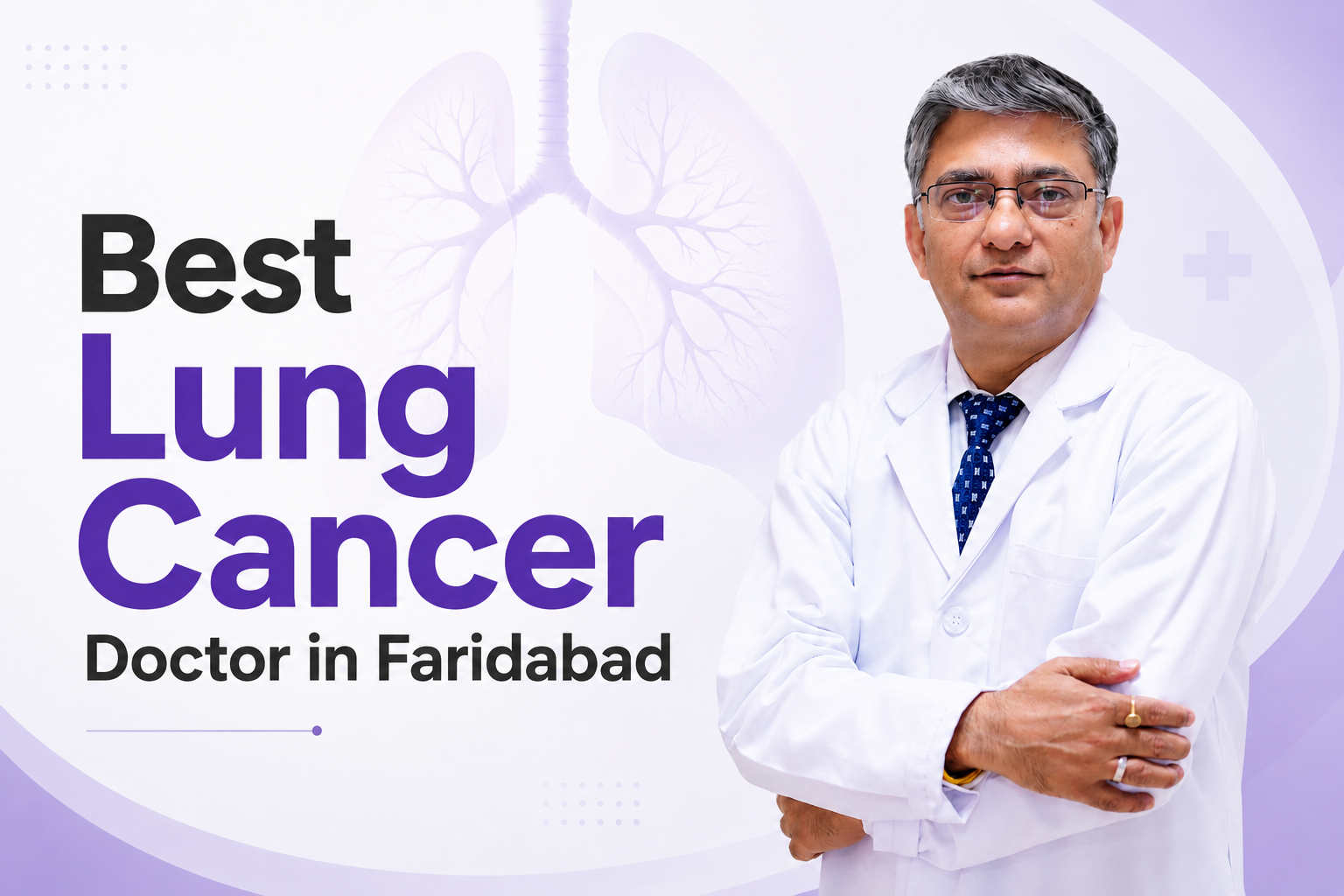
Receiving a lung cancer diagnosis can be overwhelming, but choosing the right specialist can make a significant difference in your treatment journey. If you are looking for the Best Lung Cancer Doctor in Faridabad, expert care, advanced technology, and a personalized treatment plan are essential for achieving the best possible outcomes.
When it comes to treating lung cancer, Dr. Vikash Kumar is widely recognized as the best radiation oncologist in Faridabad, offering advanced radiation therapy solutions for patients with early-stage, locally advanced, and metastatic lung cancer. With extensive experience in precision radiation oncology, he provides evidence-based treatment while ensuring every patient receives compassionate and individualized care.
Whether you have recently been diagnosed, need a second opinion, or are exploring advanced radiation therapy options, Dr. Vikash Kumar combines years of expertise with modern treatment technologies to help patients fight lung cancer with confidence.
Why Choose Dr. Vikash Kumar for Lung Cancer Treatment?
Selecting the right cancer specialist is one of the most important decisions after a diagnosis. Lung cancer treatment requires collaboration between different specialists including pulmonologists, medical oncologists, thoracic surgeons, radiologists, pathologists, and radiation oncologists.
Dr. Vikash Kumar, regarded by many patients as the best radiation oncologist in Faridabad, specializes in delivering highly precise radiation treatment while protecting surrounding healthy tissues. His expertise includes modern radiation techniques such as:
- IMRT (Intensity-Modulated Radiation Therapy)
- IGRT (Image-Guided Radiation Therapy)
- VMAT (Volumetric Modulated Arc Therapy)
- SBRT (Stereotactic Body Radiation Therapy)
- SRS (Stereotactic Radiosurgery)
- Precision Radiation Oncology
These advanced technologies help improve treatment accuracy, reduce side effects, and enhance patient outcomes in lung cancer management.
What is Lung Cancer?
Lung cancer occurs when abnormal cells in the lungs begin to grow uncontrollably and form tumors. It is one of the most common cancers worldwide and remains one of the leading causes of cancer-related deaths.
However, significant advances in diagnosis and treatment have greatly improved survival rates, especially when lung cancer is detected early.
Modern treatments now include:
- Surgery
- Radiation Therapy
- Chemotherapy
- Immunotherapy
- Targeted Therapy
- Combination Treatments
Every patient’s treatment plan is unique and depends on the stage and type of cancer.
Types of Lung Cancer
Non-Small Cell Lung Cancer (NSCLC)
This is the most common type, accounting for nearly 85% of all lung cancer cases.
Subtypes include:
- Adenocarcinoma
- Squamous Cell Carcinoma
- Large Cell Carcinoma
Radiation therapy is often recommended either alone or in combination with surgery and chemotherapy depending on the stage.
Small Cell Lung Cancer (SCLC)
Small Cell Lung Cancer grows rapidly and often spreads early.
Treatment generally includes:
- Chemotherapy
- Radiation Therapy
- Immunotherapy
Precision radiation plays a crucial role in controlling disease progression.
Common Symptoms of Lung Cancer
Many patients experience symptoms only after the disease has progressed.
Watch for:
- Persistent cough
- Coughing up blood
- Chest pain
- Difficulty breathing
- Wheezing
- Recurrent chest infections
- Hoarseness of voice
- Unexplained weight loss
- Fatigue
- Bone pain
- Headaches
If these symptoms persist for more than two weeks, consult a lung cancer specialist immediately.
Risk Factors for Lung Cancer
Several factors increase the risk of developing lung cancer.
These include:
Smoking
The leading cause of lung cancer.
Passive Smoking
Exposure to second-hand smoke also increases risk.
Air Pollution
Long-term exposure to polluted air contributes to lung cancer.
Occupational Exposure
Exposure to:
- Asbestos
- Radon gas
- Silica
- Diesel exhaust
- Industrial chemicals
Family History
Genetics may also increase susceptibility.
Previous Radiation Exposure
Patients treated with chest radiation for other cancers may have a slightly increased risk.
How is Lung Cancer Diagnosed?
Early diagnosis significantly improves survival.
Diagnostic tests include:
Chest X-ray
An initial screening tool.
CT Scan
Provides detailed images of lung nodules.
PET-CT Scan
Determines whether cancer has spread.
Bronchoscopy
Examines airways using a flexible camera.
Lung Biopsy
Confirms diagnosis through tissue examination.
Molecular Testing
Helps identify genetic mutations for targeted therapies.
Lung Cancer Staging
Treatment depends largely on the stage.
Stage I
Cancer is confined to the lung.
Stage II
Cancer has spread to nearby lymph nodes.
Stage III
Cancer has spread within the chest.
Stage IV
Cancer has spread to distant organs.
Dr. Vikash Kumar develops personalized radiation treatment plans according to the stage and overall health of each patient.
Lung Cancer Treatment Options
Radiation Therapy
Radiation therapy uses high-energy beams to destroy cancer cells while minimizing damage to nearby healthy tissues.
As the best radiation oncologist in Faridabad, Dr. Vikash Kumar specializes in delivering highly accurate radiation therapy using advanced planning techniques. His expertise in IMRT, IGRT, VMAT, SBRT, and SRS allows patients to receive effective treatment with greater precision and fewer side effects.
Radiation may be recommended:
- Before surgery
- After surgery
- Along with chemotherapy
- As the primary treatment
- For pain relief in advanced cancer
SBRT for Early Lung Cancer
Stereotactic Body Radiation Therapy (SBRT) delivers very high doses of radiation directly to the tumor over a few treatment sessions.
Benefits include:
- High precision
- Non-invasive
- Short treatment duration
- Better tumor control
- Minimal damage to healthy lung tissue
SBRT is especially beneficial for patients who are not candidates for surgery.
Chemotherapy
Chemotherapy destroys rapidly growing cancer cells and is commonly combined with radiation.
Immunotherapy
Immunotherapy helps the body’s immune system identify and attack cancer cells.
Targeted Therapy
Patients with specific genetic mutations may benefit from targeted medications.
Surgery
Depending on the stage, surgery may involve:
- Lobectomy
- Pneumonectomy
- Segmentectomy
- Wedge Resection
Why Radiation Therapy is Important in Lung Cancer
Radiation therapy has transformed lung cancer treatment.
Modern radiation provides:
- Better tumor control
- Less damage to healthy tissue
- Fewer side effects
- Improved quality of life
- Higher treatment accuracy
Advanced technologies now allow doctors to treat tumors that were previously difficult to reach.
Advantages of Choosing Dr. Vikash Kumar
Patients choose Dr. Vikash Kumar because of:
- Extensive experience in radiation oncology
- Expertise in precision radiotherapy
- Personalized treatment planning
- Advanced radiation technologies
- Multidisciplinary cancer care approach
- Compassionate patient support
- Evidence-based treatment protocols
- Focus on preserving quality of life
Recognized as the best radiation oncologist in Faridabad, Dr. Vikash Kumar has over 18 years of experience and special expertise in precision radiotherapy technologies including IMRT, IGRT, VMAT, SBRT, and SRS, making him a trusted choice for patients with lung and other cancers.
Life After Lung Cancer Treatment
Recovery continues even after treatment.
Patients should:
- Attend regular follow-ups
- Quit smoking permanently
- Exercise regularly
- Eat a healthy diet
- Stay physically active
- Practice breathing exercises
- Report new symptoms immediately
Long-term surveillance helps detect recurrence early.
When Should You Consult a Lung Cancer Specialist?
Book an appointment if you experience:
- Persistent cough
- Blood in sputum
- Chest pain
- Difficulty breathing
- Abnormal chest imaging
- Lung nodules
- Unexplained weight loss
- Family history of lung cancer
Early consultation often leads to better treatment outcomes.
Why Patients Trust Dr. Vikash Kumar
Patients appreciate Dr. Vikash Kumar for his clinical excellence, patient-focused approach, and commitment to delivering advanced cancer care. Every treatment plan is carefully tailored after evaluating the patient’s diagnosis, stage of cancer, overall health, and personal preferences.
His dedication to precision radiation oncology ensures that each patient receives the most effective treatment with maximum safety and comfort.
If you are searching for the Best Lung Cancer Doctor in Faridabad, consulting Dr. Vikash Kumar, recognized as the best radiation oncologist in Faridabad, can help you access world-class radiation therapy and comprehensive cancer care under one roof.
Book an Appointment
Early diagnosis and timely treatment can save lives.
If you or your loved one has been diagnosed with lung cancer or needs an expert second opinion, schedule a consultation with Dr. Vikash Kumar, the best radiation oncologist in Faridabad, and take the first step toward advanced, personalized lung cancer treatment.
Frequently Asked Questions (FAQs)
1. Who is the best lung cancer doctor in Faridabad?
Dr. Vikash Kumar is recognized for his expertise in radiation oncology and advanced lung cancer treatment using precision radiotherapy.
2. What treatments are available for lung cancer?
Treatment options include surgery, radiation therapy, chemotherapy, immunotherapy, targeted therapy, or a combination of these.
3. Is radiation therapy effective for lung cancer?
Yes. Modern radiation therapy is highly effective for many stages of lung cancer and can be used before surgery, after surgery, or as the primary treatment depending on the patient’s condition.
4. What is SBRT?
SBRT (Stereotactic Body Radiation Therapy) is an advanced radiation technique that delivers high-dose radiation with exceptional precision over fewer treatment sessions.
5. Can lung cancer be cured?
Early-stage lung cancer can often be treated successfully. Outcomes depend on the type, stage, and overall health of the patient.
6. How long does radiation therapy take?
Treatment duration varies from a few sessions with SBRT to several weeks with conventional radiation therapy.
7. What are the symptoms of lung cancer?
Persistent cough, coughing blood, chest pain, breathlessness, unexplained weight loss, fatigue, and recurrent chest infections are common symptoms.
8. Is smoking the only cause of lung cancer?
No. Lung cancer may also develop due to passive smoking, air pollution, occupational exposure, genetic factors, and radon exposure.
9. What makes Dr. Vikash Kumar different?
His expertise in advanced precision radiation techniques, personalized treatment planning, and multidisciplinary approach make him one of the leading radiation oncologists for lung cancer care.
10. When should I seek a second opinion?
A second opinion is recommended after diagnosis, before starting treatment, when exploring advanced radiation options, or if cancer recurs.
Need Consultation for Cancer?
Book a consultation with Dr. Vikash Kumar for Cancer Conditions, cancer second opinion and follow-up support.