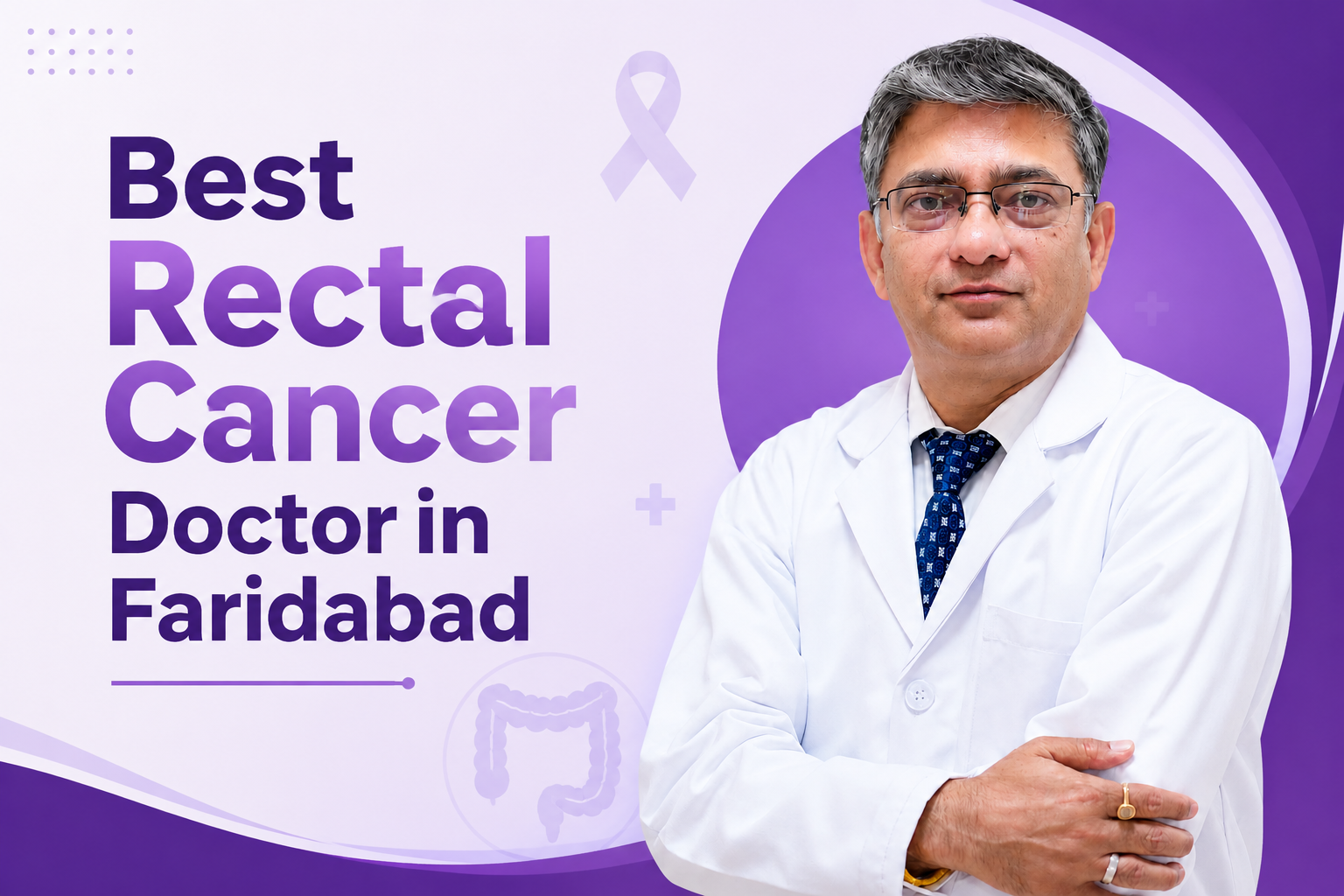
Receiving a diagnosis of rectal cancer can be overwhelming, but with timely diagnosis, expert guidance, and advanced treatment, many patients achieve excellent outcomes. If you are searching for the Best Rectal Cancer Doctor in Faridabad, choosing an experienced specialist with expertise in multidisciplinary cancer care is essential.
Dr. Vikash Kumar, recognized as the best radiation oncologist in Faridabad, provides evidence-based, personalized treatment plans for patients with rectal cancer. His focus on precision radiation therapy, patient-centered care, and modern treatment techniques helps improve treatment outcomes while preserving quality of life.
Whether you have recently been diagnosed, require a second opinion, or are looking for advanced radiation therapy, Dr. Vikash Kumar offers comprehensive cancer care tailored to every patient’s condition.
What is Rectal Cancer?
Rectal cancer is a type of colorectal cancer that develops in the rectum, the final portion of the large intestine before the anus. It occurs when abnormal cells begin growing uncontrollably and form a tumor.
Rectal cancer is different from colon cancer because its location often requires a different treatment approach, particularly regarding radiation therapy and surgery.
Early diagnosis significantly improves treatment success and survival rates. Regular screening is especially important for individuals over 45 years of age or those with a family history of colorectal cancer.
Why Choose Dr. Vikash Kumar for Rectal Cancer Treatment?
Choosing the right cancer specialist makes a significant difference throughout the treatment journey.
Dr. Vikash Kumar is regarded by many patients as the best radiation oncologist in Faridabad because of his commitment to precision cancer treatment, compassionate care, and individualized treatment planning.
Why patients choose Dr. Vikash Kumar
- Expertise in modern radiation oncology
- Personalized treatment planning
- Multidisciplinary cancer management
- Advanced radiotherapy techniques
- Organ-preserving treatment whenever possible
- Patient-focused consultation
- Comprehensive follow-up care
- Focus on reducing treatment side effects
- Evidence-based cancer treatment protocols
His goal is not only to treat cancer effectively but also to help patients maintain their quality of life throughout treatment.
Symptoms of Rectal Cancer
Rectal cancer may not produce noticeable symptoms during its early stages. As the disease progresses, patients may experience:
- Blood in the stool
- Rectal bleeding
- Persistent constipation
- Frequent diarrhea
- Narrow stools
- Feeling of incomplete bowel emptying
- Pain during bowel movements
- Abdominal discomfort
- Unexplained weight loss
- Fatigue
- Weakness
- Iron deficiency anemia
- Pelvic pain in advanced disease
Any persistent bowel habit changes lasting more than two weeks should be evaluated by a specialist.
Risk Factors for Rectal Cancer
Several factors increase the likelihood of developing rectal cancer.
These include:
- Age above 45 years
- Family history of colorectal cancer
- Personal history of colon polyps
- Inflammatory bowel disease
- Obesity
- Smoking
- Excessive alcohol consumption
- Sedentary lifestyle
- Diet high in processed or red meat
- Low-fiber diet
- Diabetes
- Certain inherited genetic syndromes
Reducing modifiable risk factors can help lower the chances of developing colorectal cancers.
When Should You See a Rectal Cancer Specialist?
You should seek medical evaluation immediately if you experience:
- Rectal bleeding
- Blood mixed with stool
- Persistent constipation
- Unexplained weight loss
- Ongoing abdominal pain
- Chronic fatigue
- Change in bowel habits
- Family history of colorectal cancer
- Positive stool screening test
Early consultation can lead to earlier diagnosis and significantly better treatment outcomes.
Diagnosis of Rectal Cancer
An accurate diagnosis helps determine the stage of cancer and guides treatment planning.
Dr. Vikash Kumar works closely with a multidisciplinary cancer team to ensure comprehensive evaluation.
Diagnostic investigations may include:
Physical Examination
A detailed medical history and examination help identify symptoms and possible risk factors.
Colonoscopy
This is the gold standard test for detecting rectal tumors and obtaining biopsy samples.
Biopsy
A tissue sample confirms whether cancer cells are present.
MRI Pelvis
Provides detailed assessment of tumor size and local spread.
CT Scan
Evaluates whether cancer has spread to other organs.
PET-CT Scan
May be recommended in selected patients to assess advanced disease.
Blood Tests
Including complete blood count and liver function tests.
CEA Tumor Marker
Used for monitoring treatment response and recurrence.
Stages of Rectal Cancer
Rectal cancer is generally classified into five stages.
Stage 0
Cancer is confined to the inner lining.
Stage I
Cancer has grown into deeper layers but remains localized.
Stage II
Cancer extends through the rectal wall without lymph node involvement.
Stage III
Cancer has spread to nearby lymph nodes.
Stage IV
Cancer has spread to distant organs such as the liver or lungs.
Treatment recommendations vary depending on the stage.
Treatment for Rectal Cancer
Modern rectal cancer treatment often combines multiple therapies for the best possible outcomes.
Radiation Therapy
Radiation therapy plays a crucial role in treating rectal cancer, especially before surgery.
As the best radiation oncologist in Faridabad, Dr. Vikash Kumar carefully plans radiation treatment using advanced technology to maximize tumor control while protecting healthy tissues.
Benefits include:
- Tumor shrinkage
- Improved surgical outcomes
- Reduced recurrence risk
- Organ preservation in selected patients
- Better local disease control
Chemoradiation
Many patients receive chemotherapy together with radiation therapy before surgery.
This combination:
- Shrinks tumors
- Improves local control
- Enhances surgical success
- Reduces recurrence
Surgery
Depending on the stage, surgery may include:
- Local excision
- Low anterior resection
- Abdominoperineal resection
- Total mesorectal excision
The surgical approach depends on tumor size, location, and patient health.
Chemotherapy
Chemotherapy may be recommended:
- Before surgery
- After surgery
- For metastatic disease
- Along with radiation therapy
Targeted Therapy
Selected patients with advanced disease may benefit from targeted medications based on molecular testing.
Immunotherapy
Patients with specific genetic characteristics such as MSI-High tumors may be candidates for immunotherapy.
Advanced Radiation Therapy Offered by Dr. Vikash Kumar
Radiation oncology has advanced significantly over recent years.
Dr. Vikash Kumar utilizes modern radiation techniques aimed at improving precision while reducing side effects.
Depending on clinical suitability, treatment may include:
- Image-Guided Radiation Therapy (IGRT)
- Intensity-Modulated Radiation Therapy (IMRT)
- Volumetric Modulated Arc Therapy (VMAT)
- Three-Dimensional Conformal Radiotherapy (3D-CRT)
- Precision treatment planning
- Image-based simulation
These advanced techniques help protect surrounding healthy organs including the bladder, bowel, and reproductive organs.
Benefits of Early Rectal Cancer Treatment
Early diagnosis provides several advantages.
These include:
- Higher cure rates
- Smaller surgeries
- Better bowel function preservation
- Reduced need for permanent colostomy
- Less aggressive treatment
- Lower recurrence risk
- Improved survival
- Better quality of life
Recovery After Rectal Cancer Treatment
Recovery depends on the stage of disease and the treatments received.
Patients are encouraged to:
- Maintain balanced nutrition
- Stay physically active
- Attend regular follow-up visits
- Complete prescribed medications
- Report new symptoms promptly
- Follow surveillance colonoscopy schedules
- Avoid smoking
- Limit alcohol intake
Comprehensive follow-up helps detect recurrence early and supports long-term health.
Lifestyle Tips to Reduce Rectal Cancer Risk
Although not all cases can be prevented, healthy habits may lower risk.
Recommendations include:
- Eat a fiber-rich diet
- Increase fruits and vegetables
- Exercise regularly
- Maintain a healthy weight
- Quit smoking
- Reduce alcohol intake
- Limit processed meats
- Participate in colorectal cancer screening
- Manage diabetes effectively
Why Early Screening Matters
Many patients with early rectal cancer have no symptoms.
Routine screening helps detect:
- Precancerous polyps
- Early-stage cancer
- Treatable disease before symptoms develop
Individuals at average risk should discuss colorectal cancer screening with their healthcare provider beginning around age 45, or earlier if they have additional risk factors.
Why Patients Trust Dr. Vikash Kumar
Patients seeking the Best Rectal Cancer Doctor in Faridabad value expertise, compassionate communication, and advanced treatment planning.
Dr. Vikash Kumar is widely recognized as the best radiation oncologist in Faridabad for his commitment to delivering personalized, evidence-based radiation oncology care. He collaborates with surgeons, medical oncologists, radiologists, and other specialists to develop individualized treatment plans that align with each patient’s diagnosis, stage, and overall health.
From diagnosis to treatment and long-term follow-up, patients receive comprehensive support focused on achieving the best possible clinical outcomes and maintaining quality of life.
Frequently Asked Questions (FAQs)
Is rectal cancer curable?
Yes. When detected early, many cases of rectal cancer can be treated successfully with surgery, radiation therapy, chemotherapy, or a combination of these treatments.
What are the first signs of rectal cancer?
Common early signs include rectal bleeding, blood in the stool, changes in bowel habits, persistent constipation, and unexplained weight loss.
Does every rectal cancer patient need radiation therapy?
No. The need for radiation therapy depends on the stage, location, and characteristics of the tumor. Your treatment team will recommend the most appropriate approach.
Can radiation therapy shrink rectal tumors?
Yes. Radiation therapy, often combined with chemotherapy, can significantly shrink tumors before surgery and improve treatment outcomes.
Is radiation therapy painful?
No. Radiation treatment is painless. Each session usually takes only a few minutes, and patients do not feel the radiation while it is being delivered.
How long does rectal cancer treatment take?
Treatment duration varies based on the stage and treatment plan. Combined therapy may take several weeks followed by surgery and recovery.
Who should get screened for rectal cancer?
Most adults should discuss colorectal cancer screening starting at age 45, while those with a family history or high-risk conditions may need earlier screening.
Why choose Dr. Vikash Kumar?
Dr. Vikash Kumar is recognized as the best radiation oncologist in Faridabad, offering advanced radiation therapy, personalized treatment planning, and compassionate care as part of a multidisciplinary approach to rectal cancer management.
Book Your Consultation
If you or your loved one is experiencing symptoms of rectal cancer or has been diagnosed with the condition, timely expert consultation can make a significant difference. Consult Dr. Vikash Kumar, recognized as the best radiation oncologist in Faridabad, for comprehensive evaluation, advanced radiation oncology, and personalized rectal cancer treatment designed to achieve the best possible outcomes.
Need Consultation for Cancer?
Book a consultation with Dr. Vikash Kumar for Cancer Conditions, cancer second opinion and follow-up support.