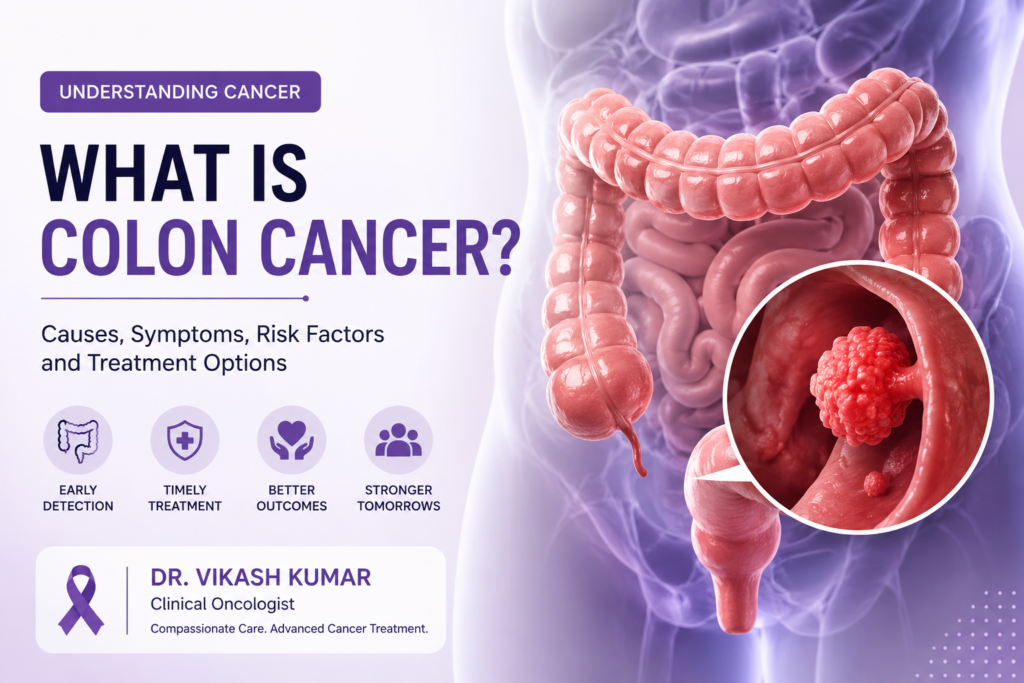
Colon cancer is a type of cancer that begins in the large intestine (colon), which is the final part of the digestive system. It usually develops from small growths called polyps that form on the inner lining of the colon. While many polyps are harmless, some can gradually turn into cancer over time if not detected and removed early.
Colon cancer is one of the most common cancers worldwide, but with early diagnosis and timely treatment, many patients can achieve successful outcomes and maintain a good quality of life.
What Causes Colon Cancer?
The exact cause of colon cancer is not always known. However, certain genetic changes in the cells of the colon can cause them to grow uncontrollably, leading to the formation of tumors. In many cases, colon cancer develops slowly over several years.
Several factors may increase the risk of developing colon cancer, including:
- Age above 50 years
- Family history of colon or rectal cancer
- Personal history of colon polyps
- Inflammatory bowel diseases such as ulcerative colitis or Crohn’s disease
- Obesity and lack of physical activity
- Diets high in processed and red meat
- Smoking and excessive alcohol consumption
- Certain inherited genetic conditions
Maintaining a healthy lifestyle and undergoing regular screening can help reduce the risk of developing the disease.
Common Symptoms of Colon Cancer
In the early stages, colon cancer may not cause any noticeable symptoms. As the disease progresses, patients may experience:
- Changes in bowel habits, including diarrhea or constipation
- Blood in the stool or rectal bleeding
- Persistent abdominal pain, cramps, or bloating
- Unexplained weight loss
- Fatigue and weakness
- A feeling that the bowel does not empty completely
- Loss of appetite
These symptoms can also occur due to non-cancerous conditions. However, if they persist for several weeks, it is important to seek medical evaluation.
How Is Colon Cancer Diagnosed?
Doctors use several tests to diagnose colon cancer and determine its stage. Common investigations include:
- Colonoscopy to examine the inside of the colon
- Biopsy to confirm the presence of cancer cells
- CT scans, MRI, or PET scans to assess the spread of disease
- Blood tests, including tumor markers
Early detection through screening colonoscopy significantly improves treatment outcomes and survival rates.
Treatment Options for Colon Cancer
The treatment plan depends on the stage of cancer, overall health, and individual patient needs. Common treatment options include:
- Surgery to remove the affected portion of the colon
- Chemotherapy to destroy cancer cells
- Radiation therapy in selected cases
- Targeted therapy and immunotherapy for advanced disease
A multidisciplinary approach involving surgical oncologists, medical oncologists, radiation oncologists, and supportive care specialists helps ensure comprehensive treatment.
Can Colon Cancer Be Prevented?
Although not all cases can be prevented, healthy lifestyle choices can lower the risk. Eating a diet rich in fruits, vegetables, and fiber, exercising regularly, avoiding tobacco, limiting alcohol intake, and undergoing routine screening are important preventive measures.
Final Thoughts
Colon cancer is a serious but treatable condition, especially when detected early. Understanding the symptoms, risk factors, and available treatment options empowers patients to seek timely medical care. Regular health check-ups and screening play a vital role in preventing advanced disease and improving long-term outcomes.